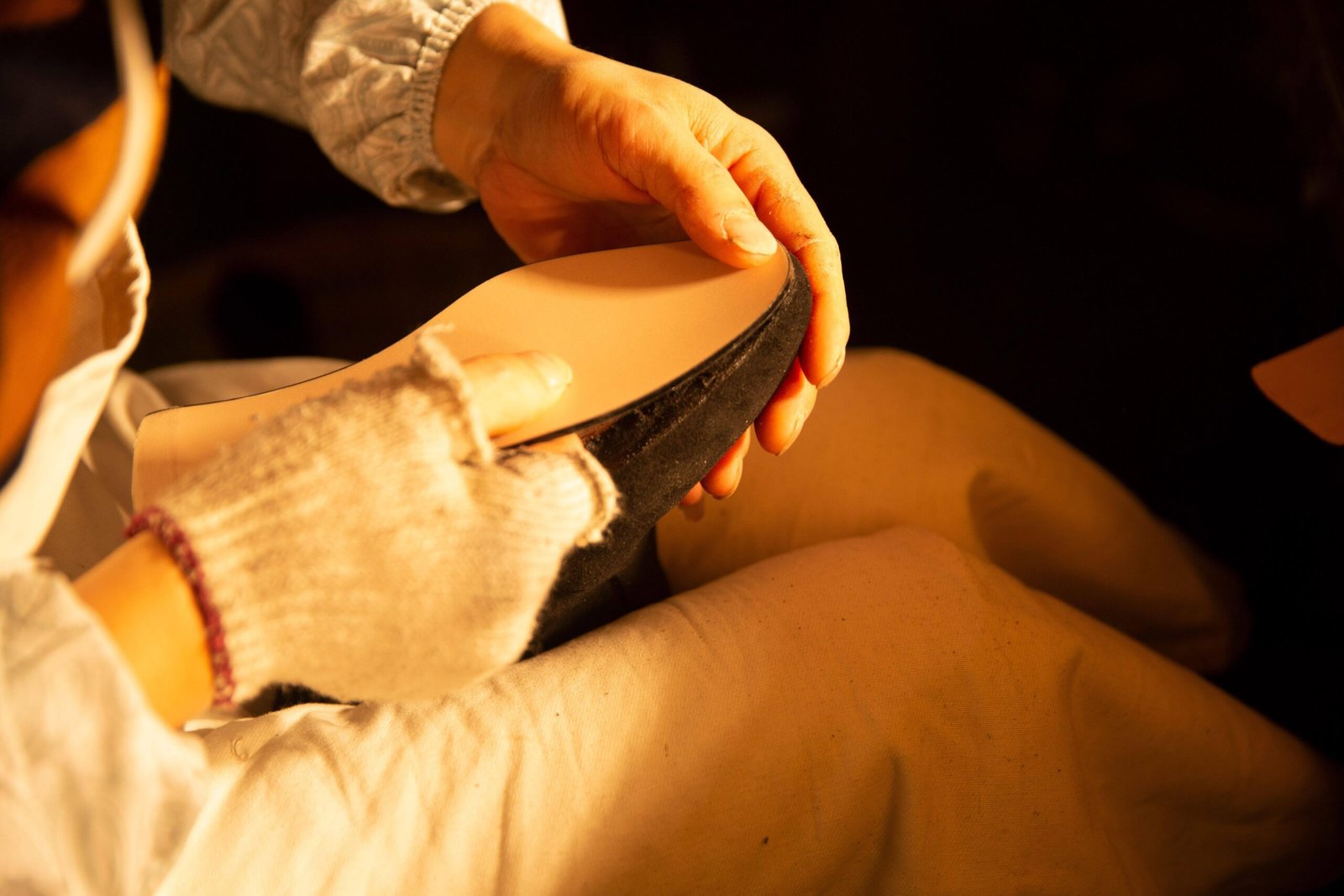


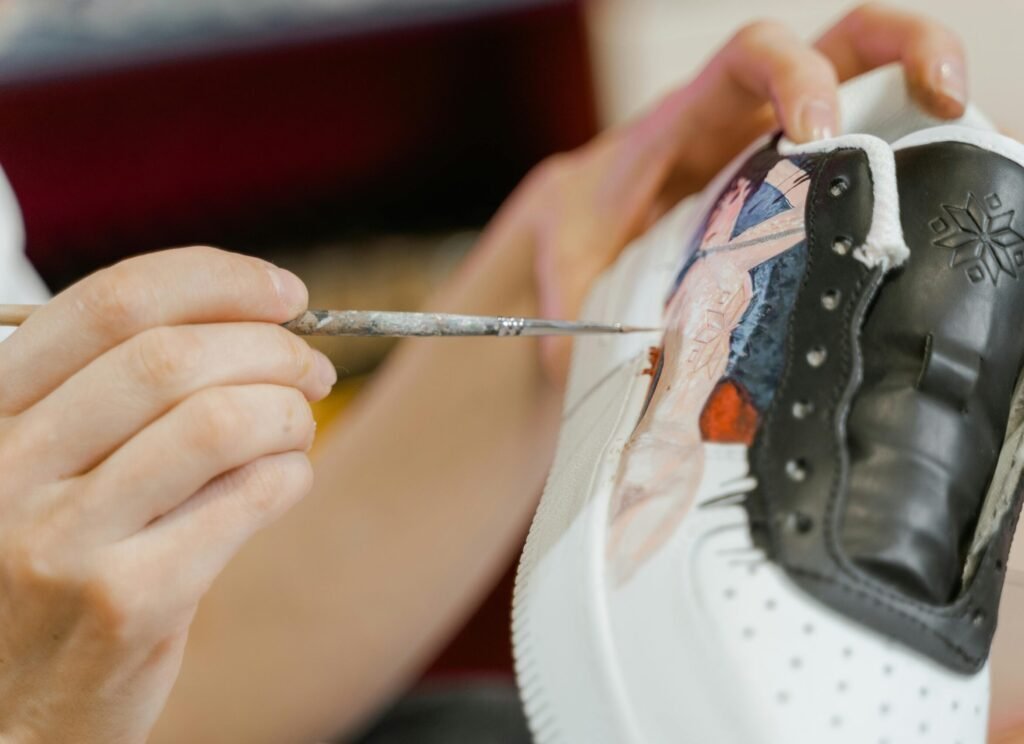
Per Research & Markets reports, the footwear market has undergone dramatic shifts in recent years. Consumers no longer merely seek off-the-shelf shoes; they want footwear that reflects their personal style. Custom and personalized sneakers have become a major industry trend. For emerging brands and distributors, partnering with a trusted Chinese OEM/ODM custom shoe supplier is the fastest, most reliable way to launch a footwear line.
Digital platforms have pushed shoe customization to new heights, letting buyers select custom colors, materials and designs online. Working with an OEM/ODM manufacturer to create bespoke footwear elevates your brand value, while securing stable supply chains and competitive pricing. When sourcing custom shoe manufacturers, critical factors to evaluate include minimum order quantities, production lead times, full quality control standards, and supplier credibility.
1. Custom OEM & ODM Footwear Manufacturing
OEM manufacturing produces footwear strictly following specifications provided by your brand. For B2B shoe buyers, OEM service enables full product customization based on your exclusive designs and details. The factory handles bulk production with custom molds you develop.
1.1 Definition & Core Success Factors
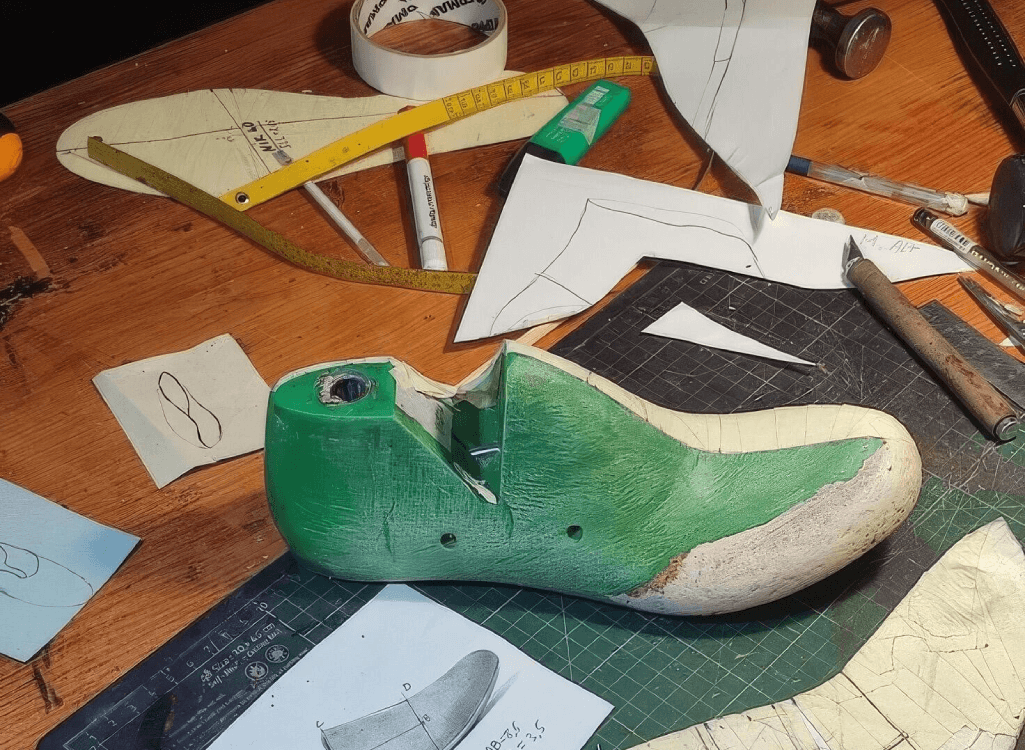
OEM means manufacturing built to your custom requirements. Brands provide design sketches and concepts, including custom mold development for lasts, outsoles and upper components using the factory’s production capacity.
The core of successful cooperation is balancing MOQ, production lead time and strict quality control to verify reliable suppliers.
1.2 OEM vs ODM Key Differences
Both solutions help brands launch exclusive shoe lines. Unlike OEM, ODM utilizes the supplier’s existing ready-made designs (molds do not belong to your brand).
ODM is ideal for market trial sales with low risk, while OEM fits long-term brand building to maintain unique brand value and market positioning.
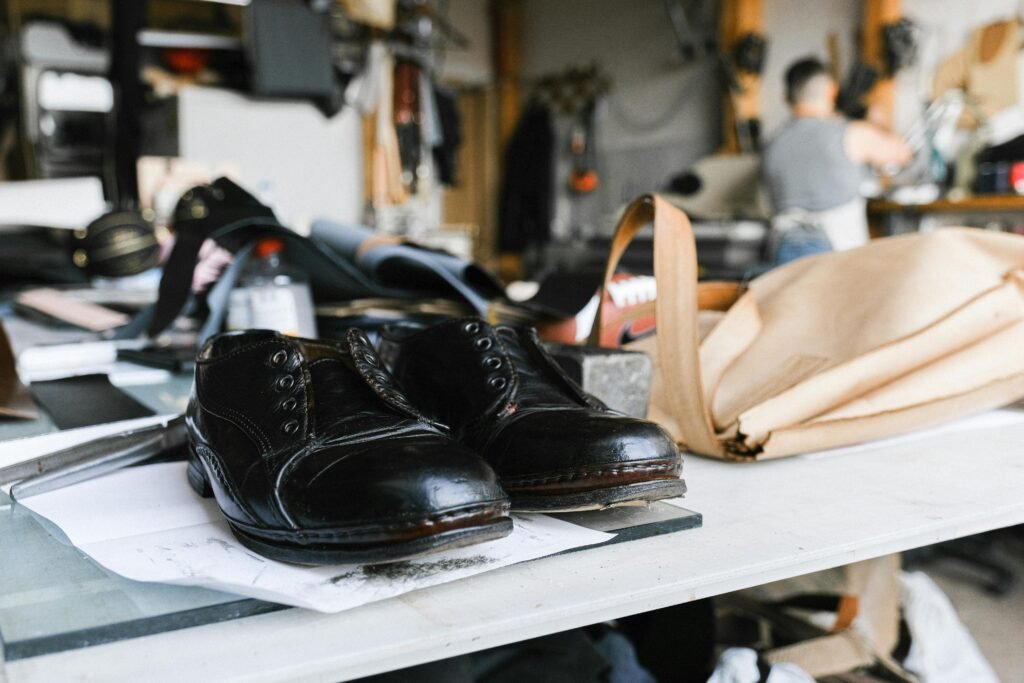
2. OEM & ODM Manufacturing Solutions
OEM and ODM services deliver different levels of product customization, helping brands flexibly optimize budgets and market strategies. New brands and startups usually demand low MOQs, so they need to learn about custom mold development and ready-made mold options to strike a balance between exclusive design and product profitability.
2.1 Custom Molds vs Existing Stock Molds
For custom shoe production, ready-made molds cut costs and shorten lead times, yet they cannot deliver distinctive exclusive styles. Custom private molds, by contrast, support unique shoe silhouettes and exclusive technical details. Though the upfront cost is higher, they lower long-term market competition risks and help brands launch proprietary signature styles.
2.2 Private Custom Molds
Private molds are suitable for private-label brands and distributors. Developing exclusive molds fully differentiates your footwear line, a premium service offered by top-tier custom shoe OEM manufacturers.
3. Why Partner with a Custom Shoe OEM/ODM Supplier
For footwear distributors and brands, OEM manufacturing serves as a strategic way to boost brand value. The OEM and ODM model grants full production control, enables in-depth design customization and logo printing, and builds market differentiation. Following professional private-label manufacturing advice minimizes risks and elevates your brand’s premium positioning.
3.1 Build Brand Image & Exclusive Product Identity
Custom footwear with branded logos and exclusive molds delivers one-of-a-kind styling. Unlike generic ready-made shoes, this method secures long-term brand value and market exclusivity.
3.2 Customized Technical Solutions
OEM/ODM footwear production supports personalized structures and technical tweaks for lasts, outsoles and raw materials. This full-range customization optimizes comfort, performance and durability to match your specific market demands.
3.3 Full Efficient Quality Supervision
Timely inspections across every production stage reduce bulk defective rates, fix flaws promptly and maintain consistent quality without compromising original designs. This protects brand reputation and consumer trust regardless of order volume.
4. The OEM Production Workflow
A streamlined custom shoe development process guarantees stable output for B2B buyers. From mold design and 3D technical support to sampling and mass production, every stage shapes MOQ standards and delivery schedules. Standardized OEM/ODM workflows cut risks and ensure custom footwear delivers targeted comfort, durability and ergonomic fit.
4.1 Concept to Design Draft
We start by confirming shoe categories (sneakers, dress shoes, boots), structural specs (outsole shape, cushioning, fit) and brand details. OEM suppliers adopt 3D modeling and technical calculations for digital prototype rendering. Clear communication is vital for precise mold creation and shorter lead times.
4.2 Prototype Development & Testing
Initial shoe prototypes are produced and subjected to durability, abrasion and aging tests to comply with industrial quality standards. This critical step verifies the rationality of structures and raw materials.
4.3 Mass Production & Full Quality Control
Mass production kicks off once designs are fully approved. Rigorous multi-stage quality inspection and orderly production planning guarantee compliance with MOQ rules and steady delivery lead times, supporting uninterrupted market supply.
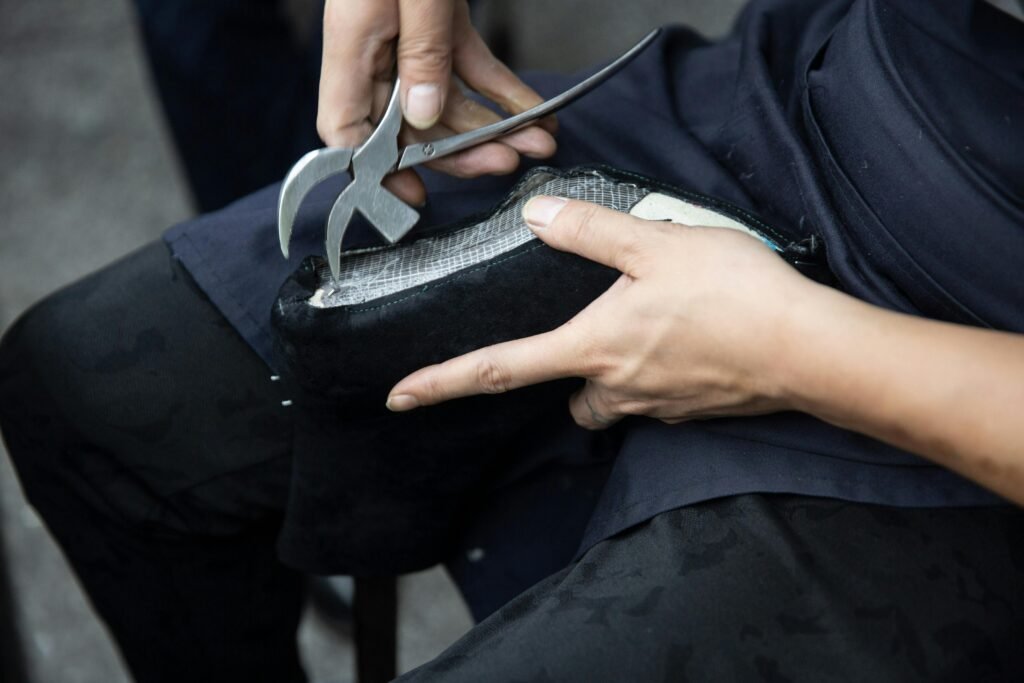
5. Brand Launch Solutions
When cooperating with a custom shoe OEM supplier, MOQ, lead time and pricing are core factors for successful collaboration. Reasonable arrangements for MOQ and delivery cycles optimize your overall budget. Bulk orders require a balance between order quantity and delivery speed.
5.1 MOQ Setting
MOQ is determined by mold types (stock molds or exclusive custom molds) and shoe design complexity. Custom shoes with exclusive logos and patterns cost more upfront, but startups can adopt stock molds or place phased orders with wholesalers to lower early sales risks.
5.2 Production Lead Time
Total lead time covers prototype sampling and mass manufacturing. It mainly depends on material availability, factory production schedule and the complexity of your shoe design.
5.3 Pricing Structure
Total order costs consist of mold opening fees, unit shoe prices, packaging and shipping charges. Professional private-label footwear manufacturing guides support comprehensive cost analysis, multiple pricing options and competitive retail profit margins.
6. How to Pick an Experienced Custom Footwear Supplier
Supplier reliability is the top priority for all B2B footwear buyers. A complete integrated design-production-delivery system ensures full compliance with technical specifications and consistent premium quality for every pair of shoes.
6.1 How to Source Reliable Custom Shoe Manufacturers
Start by evaluating the supplier’s track record. Past cooperation experience with private-label brands targeting your market proves their ability to realize your design vision. Successful project cases reflect solid project management and professional technical support.
6.2 Locating Qualified OEM & ODM Shoe Suppliers in China
Focus on factory scale, mature outsole manufacturing techniques and comprehensive product testing capacity. Reliable Chinese OEM shoe factories handle both small trial orders and large bulk shipments, delivering tailored custom footwear solutions to fuel your brand’s long-term growth.
6.3 Full-Stage Footwear Quality Inspection
Three-tier quality control – IQC, IPQC and FQC – guarantees stable, dependable goods across all production phases.
IQC screens defective raw materials before manufacturing starts; IPQC monitors precise stitching, assembly and technical standards during production; FQC inspects finished shoes for appearance, logo printing, symmetry and durability. This all-round inspection system cuts defect risks, builds consumer trust and makes every pair match your brand standards.
6.4 Smooth Communication & Premium Customer Service
Efficient communication accelerates your product’s market launch. Top OEM partners maintain fully transparent workflows and responsive after-sales support, drastically lowering development risks and eliminating hidden extra costs.
7. OEM Services for Startup Brands
For emerging labels, small-batch OEM shoe orders represent the lowest-risk market entry strategy. Controllable low MOQ lets you test market demand while securing steady supply. Before scaling orders, select suppliers offering custom design, flexible minimum quantities and dependable lead times to cut operational risks.
7.1 Is Buying Ready-Made Styles Directly from Suppliers a Good Choice?
OEM is the fastest way to launch private-label footwear. ODM delivers market-ready styles with minimal development costs. It makes sense to source from manufacturers whose existing designs align with your target market preferences.
7.2 Minimize Early-Stage Business Risks
Trial production helps gauge market feedback. Partnering with a professional OEM supplier equipped with rigorous quality control systems avoids costly quality and delivery failures.
7.3 Step-by-Step OEM Launch Strategy for Brand Building
Start your project with no more than five styles to test designs and supply chain performance. Gradually expand from basic OEM manufacturing into a full exclusive footwear product line.
Conclusion
For B2B buyers, custom OEM footwear manufacturing is essential to consistent product quality and stable supply chains. Cooperating with experienced Chinese OEM shoe manufacturers delivers edges in customization, quality management and production efficiency. Mastering MOQ rules and delivery timelines holds the key to scaling your brand.
1. Strategic Long-term Partnership
A reliable OEM supplier guarantees uninterrupted shipments. Stable OEM & ODM production plus professional custom footwear services sustain long-term sales channel growth.
2. Brand Establishment
Custom shoes with exclusive logos and private molds transform your business from generic product resale to valuable brand building. Unique designs and proprietary structures build competitive advantages and strengthen market positioning, matching current industry trends.