


In the footwear industry, many product‑development projects start with a beautiful design sketch.
Designers finalize upper lines, outsole profiles, decorative details and color schemes. Once the brand team signs off on the visual direction, they send the sketchs to the factory with one request:
“Make a sample first so we can see how it turns out.”
This seems like the most natural product‑development workflow. From a real‑world manufacturing perspective, however, “make a sample first and fix problems later” is rarely the most efficient approach.
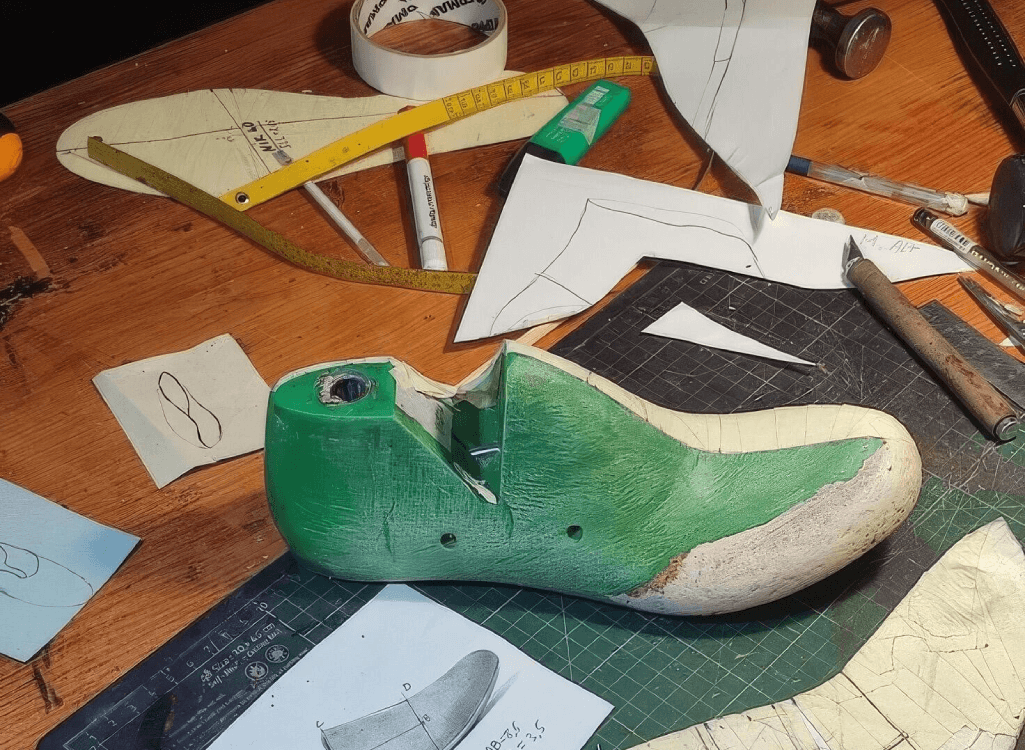
Footwear is far more than just a visual product. A shoe involves many variables all at once: last shape, pattern construction, materials, structure, manufacturing techniques, sizing, wear comfort, durability, cost and supply‑chain factors. Drawings answer what the shoe should look like. Sampling brings up practical questions:
- Can we reliably manufacture this design?
- Will it wear well?
- Does its proportion hold across all sizes?
- Can we keep costs under control?
- Can we replicate it for mass production?
That explains why, in proven footwear‑development systems, sampling should not be your first step to validate a design. Instead, sampling acts as a physical‑testing tool after you have already completed prior validation work.
1. Enter an Era of Low Tolerance for Errors in Product Development
Globally, footwear remains a large‑scale, global manufacturing sector.
According to the World Footwear Yearbook 2026, global shoe production hit roughly 24.6 billion pairs in 2025, rising by only 0.1% year‑on‑year. Asia accounts for 88.7% of worldwide footwear output, with China, India and Vietnam standing as the key production hubs. Global footwear exports reached around 172 billion USD in the same period. These figures point to a major shift:
The challenge today is no longer “Can we find a factory to make shoes?” The real questions are:
- Who can finish product development faster?
- Who can cut down sample revision rounds?
- Who can control variances in materials and workmanship?
- Who can consistently carry the design language across different sizes and batches?
- Who can maintain product quality while keeping costs in check?
- Who can shorten the timeline from concept to market launch?
For emerging brands, designer labels and mid‑to‑high‑end footwear brands in particular, a bad decision at the sampling stage costs far more than just the sample fee.
It may trigger wrong material sourcing, shoe last re‑development, tooling adjustments, pattern remakes and re‑validation with suppliers. In worst cases, it delays your entire product launch schedule. Therefore, what brands truly need to build is not the ability “to make samples faster”, but this capability:
How to make your first sample solve the right problems.
2. Design Sketches Are Not Production Specifications: the First Most Overlooked Gap in Footwear Development
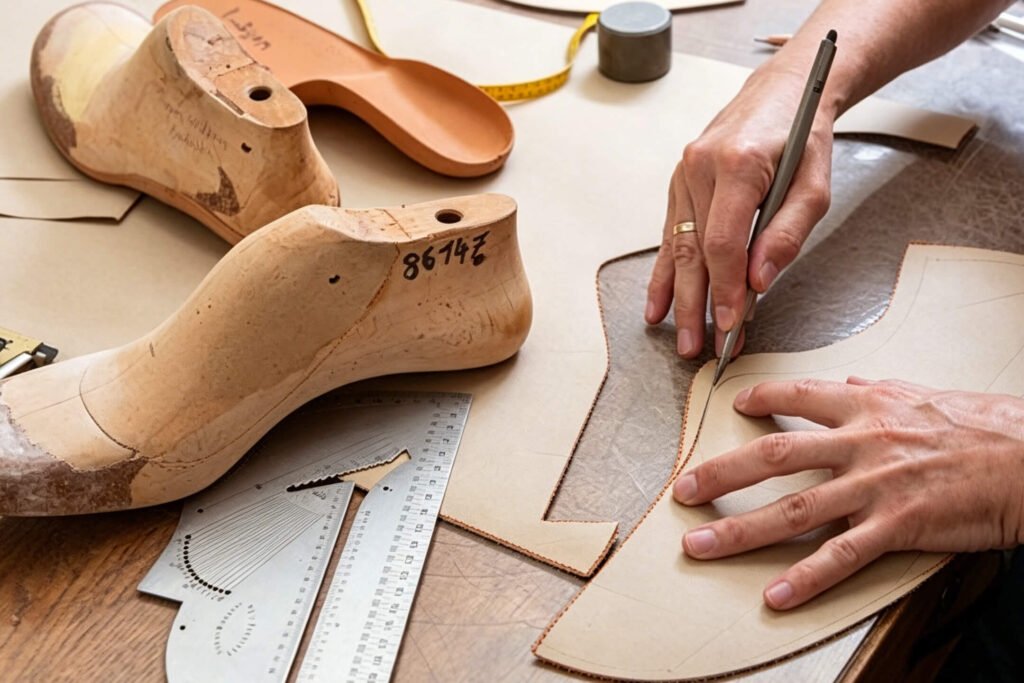
A design drawing communicates visual concepts well, but it cannot automatically pass all manufacturing information to your production team.
Take a pointed‑toe high heel on a design sketch for example. It may seem you only need to confirm the upper outline and heel height. Once you move into engineering development, you have to answer many critical questions:
- What shoe last will be used?
- How does the pointed toe length affect toe room?
- How does the heel bear weight?
- Will a shift in heel position change foot loading and balance?
- How is the upper secured?
- What support, lining and reinforcement does the upper material require?
- How do we handle different sizes?
- Can design proportions simply be scaled up or down uniformly?
- Can the selected material hold the shape required by the design?
Soft leather, synthetic leather, mesh and knit materials behave very differently during cutting, stretching, stitching, lasting and forming. That is why you should treat design sketches and production specifications as two separate stages.
Design sketches answer:
What should it look like?
Technical development must answer:
How can it be built repeatedly?
ISO 19407:2023 an international standard, even defines rules for converting between different footwear sizing systems, including Mondopoint, EU, UK, CN, JP, KR and US standards. It uses foot length measurement as a key foundation for shoe size marking.
For footwear brands targeting global markets, size is therefore more than just a number on a design sketch. It forms part of product engineering.
3. Effective Pre‑Sampling Validation: Five Key Questions to Answer
Instead of simply asking “Can you make this design?”, build a systematic validation framework before sampling. Brands can use the following five dimensions to decide whether a design is ready for sampling.
1) Visual Validation: What are the core identifying features of the design?
Not every detail on a shoe carries equal weight. A solid design makes these points clear:
- Which lines must stay unchanged?
- Which proportions define the product style?
- Which decorative elements create brand recognition?
- Which materials set the product tactile feel?
- Which core structures cannot be compromised?
Take a minimalist leather shoe as an example.
The critical parts may not be certain hardware pieces, but the topline proportion, toe contour and upper lines. If manufacturers alter these core proportions for easier production once the design moves to manufacturing, you will get a finished shoe — yet it loses its original design value.
Before sampling, separate non‑negotiable design variables from adjustable engineering variables.
4. Footwear Design Validation: Structure, Not Just Appearance
One major difference between footwear and regular apparel is that shoes have to withstand human movement. Shoes are not static objects. Consumers walk, climb stairs, bend their toes, rotate their ankles, and wear the shoes repeatedly. For this reason, design validation cannot rely only on front‑view, side‑view and top‑down renderings. You need to consider:
- The fit between shoe last and foot shape;
- Forefoot room;
- Heel containment;
- Topline position;
- Flex zones on the upper;
- Outsole bending points;
- Heel height and heel placement;
- Attachment method between outsole and upper;
- Reinforcement for high‑stress areas.
This matters especially for high heels, platform shoes, sharply pointed styles, loafers, sandals, and fashion shoes with special constructions. Visual proportions often conflict naturally with ergonomics. The more stylized a shoe looks, the more critical upfront structural validation becomes. This does not restrict design creativity.
On the contrary, it helps designers understand:
“Where I can push for bold styling, and where engineering protection is mandatory.”
5. Footwear Design Validation: Materials Are Part of the Design Itself
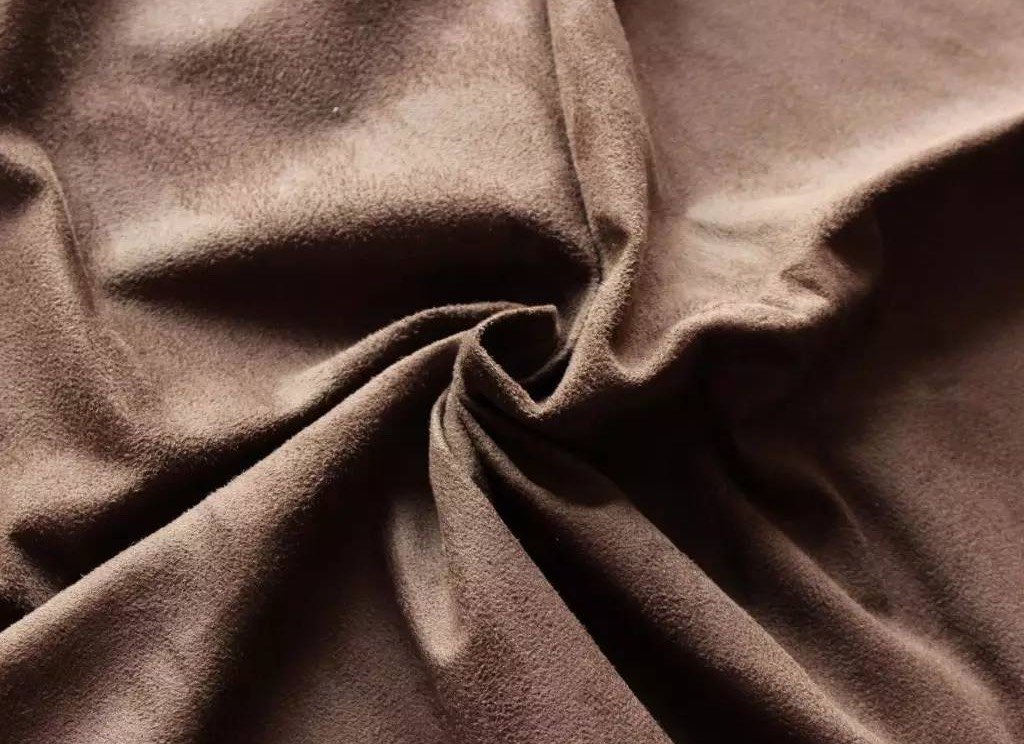
A very common mistake in footwear development is locking down the design first, then sourcing materials that deliver “a similar look”. Materials are not an afterthought once the design is finished; they form part of the design language. For the exact same upper outline:
- Calfskin creates soft creases;
- Vegetable‑tanned leather holds a firmer shape;
- PU synthetic leather comes with distinct surface tension;
- Mesh fabric calls for different supporting structures;
- Knit material brings significant stretch;
- Suede and smooth leather carry completely different visual weight.
Before sampling, confirm these key material properties at minimum: thickness, softness, stretchability, surface finish, resilience, flex‑resistance, and compatibility with other component materials.
That is why experienced product‑development teams never leave full material confirmation until after design finalization. Change your material, and you may alter the pattern layout, support construction, stitching method, and even the shoe’s visual proportions.
6. Footwear Design Validation: Sizing Grading Is Not Simple Scaling
This is a pitfall many new brands overlook. A shoe that looks great in size 37 does not guarantee the same design look in size 35 or size 41.
Grading in footwear development is not just scaling the entire upper proportionally. As sizes change:
- Toe length shifts;
- Forefoot width changes;
- Topline dimension varies;
- Eyelet or decorative positions move;
- Outsole length adjusts;
- The visual proportion of the heel may alter.
For this reason, a well‑executed footwear design must consider both the visual look of a single size and visual consistency across the full size range. This carries extra weight for export‑focused brands.
Different markets use different sizing systems, and ISO 19407:2023 provides conversion guidelines for major sizing standards. Global footwear brands cannot only focus on “size 38 on the design drawing”. They need to build a complete sizing logic.
7. Footwear Design Validation: Commercial Viability
Even when a design can be manufactured, it does not mean it works for commercial release. For example, a shoe may require:
- Custom‑developed outsoles;
- Bespoke hardware components;
- Non‑standard shoe lasts;
- Multiple specialty materials;
- Complex hand‑applied embellishments;
- Special surface finishing treatments.
The question then shifts from “Can we produce it?” to “Is this product worth making given our target selling price and sales volume?” This is the often‑overlooked Design‑to‑Cost mindset in product development.
Early in the process, design teams need to understand:
- Which parts drive the highest costs?
- Which processes add labor hours?
- Which materials carry minimum‑order‑quantity requirements?
- Which hardware items need new tooling?
- Which constructions lead to higher rework rates?
- Which details make quality control far more challenging?
If brands address all these points only after samples are finished, they end up running commercial validation in the most costly way possible.

8. Do Not Let the First Sample Solve Every Problem
This is one mindset worth changing in footwear development. The first sample is not meant to prove your design is “perfect”. Its purpose is to test your most critical assumptions.
For instance:
- If the biggest risk lies in the shoe last, focus the first‑round sample on fit testing.
- If materials create the main risk, prioritize material shaping and crease performance.
- If outsole construction is your key concern, test outsole attachment and stability first.
- If special decorations represent the major risk, check how well decorative parts bond to the upper.
In other words, every sampling round needs a clear validation goal. This is more practical than chasing a “perfect first‑try sample”. Footwear development is inherently iterative. A strong development workflow does not eliminate all revisions. Instead, it ensures every change is made for a clear, defined reason.
9. Move From Sample Management to Development‑Evidence Management
Much of the future competition among footwear brands will shift from “Who can produce samples” to “Who can manage product data well”.
Brands should keep records for every development cycle, including:
- Original design sketches;
- Technical drawings;
- Size specification sheets;
- Material confirmation records;
- Colour standards;
- Shoe last specifications;
- Component and accessory information;
- Sample photos;
- Before‑and‑after revision comparisons;
- Supplier feedback;
- Brand internal approval records;
- Final signed‑off versions.
These records do not only make later‑round revisions easier. They solve a very practical challenge: once a project moves from development to mass production, how do you guarantee the finished goods match the approved design? This explains why digital product development keeps growing in importance.
Footwear Development: Not Less Design, But Fewer Poor Design Decisions
The footwear industry is going through an interesting phase. Global production volume remains substantial, and Asia still holds dominant market share, yet growth in worldwide shoe output has slowed sharply. Global production reached roughly 24.6 billion pairs in 2025, with year‑on‑year growth of only 0.1%. At the same time, brands face increasingly complex consumer demands, wider material options, mounting cost pressure, new digital tools and rising sustainability requirements.
Within this context, footwear design and development for brands will not turn conservative. Instead, it empowers designers to experiment more boldly with specialty materials, complex constructions and fresh visual language, because teams clearly understand which risks need control and which risks are worth taking.
Strong footwear development does not make every creative idea easy to manufacture. It strikes the optimal balance between creativity, wear experience, production capability and commercial value.
Sampling’s true role is not to uncover every possible problem for brands. It validates the pre‑identified critical questions that physical prototypes are best suited to answer.
In this point, the best first sample is not the one that looks the most flawless. It is the one that lets brands get the right answers as quickly as possible.
YOUTU supports this validation phase, a vital step for broad product launch and steady brand growth. If you have sketches, reference images, existing samples or a tech pack, you may request a technical development review and share all information available at your current project stage.