


Building a successful footwear brand startup involves far more than just design work; it also requires a strategic approach to supplier selection. The footwear market boasts an enormous variety of styles, ranging from luxury labels such as Gucci to affordable footwear lines sold by Walmart. Nevertheless, building a distinctive, recognisable brand calls for a reliable partner.
By collaborating with dependable suppliers, every component of your footwear can meet the highest standards. Draw inspiration from industry leaders, craft a one-of-a-kind aesthetic, and elevate your brand to new heights with our expert solutions.
This article will also walk you through the full journey: from initial concept development and manufacturing all the way through to brand expansion.
Reasons for launching a footwear brand
Consumer demand is undergoing transformation in global modern footwear market. Urban casual footwear, athletic shoes, everyday wear and functional styles have become the preferred choices, with the following key features:
- A balance of design and practicality
- Continuous optimisation of comfort and functionality
- Versatility across multiple usage scenarios (urban commuting, leisure, sports)
- Opportunity to build a clear, differentiated brand identity
For B2B buyers, launching an in-house footwear brand unlocks these advantages:
- Access to a stable market with long-term structural growth potential
- Freedom from reselling third-party branded footwear
- Flexible cooperation with OEM/ODM manufacturers and private label development
- Scalable product lines and sales channels
7 Steps to Launch Your Brand
Step 1 – Brand Positioning
Every footwear brand has a unique core concept, which can focus on catering to customers with small or large shoe sizes, bold avant-garde fashion, eco-friendly philosophy, family-oriented comfort crafted from soft materials, and more. From this perspective, before establishing cooperation with a supplier, you need to clarify the following questions:
- What product lines do you plan to launch? (Women’s/men’s shoes, sneakers, boots, as well as general or special-purpose functional footwear)
- Will you target the premium quality segment or launch an affordable product collection?
- Who constitutes your target audience (wholesalers, retailers, B2B distributors)?
A clear brand positioning optimises your marketing layout and guides subsequent product development.
Step 2 – Supplier Sourcing
Selecting a suitable supplier directly determines:
- Consistent product quality
- Brand reputation
- Room for product portfolio expansion
- Long-term partnership prospects
Key factors to evaluate when choosing a supplier:
- Independent product development capability
- Available OEM & ODM services
- Expertise in footwear structural design and material selection analysis
- Rigorous quality control system
- Stable supply chain
- Proven footwear export experience
When partnering with Youtu, you will receive personalised customised strategic solutions, tailor-made products matching your requirements and reliable, steady delivery.
Step 3 – Product Development & Design Work
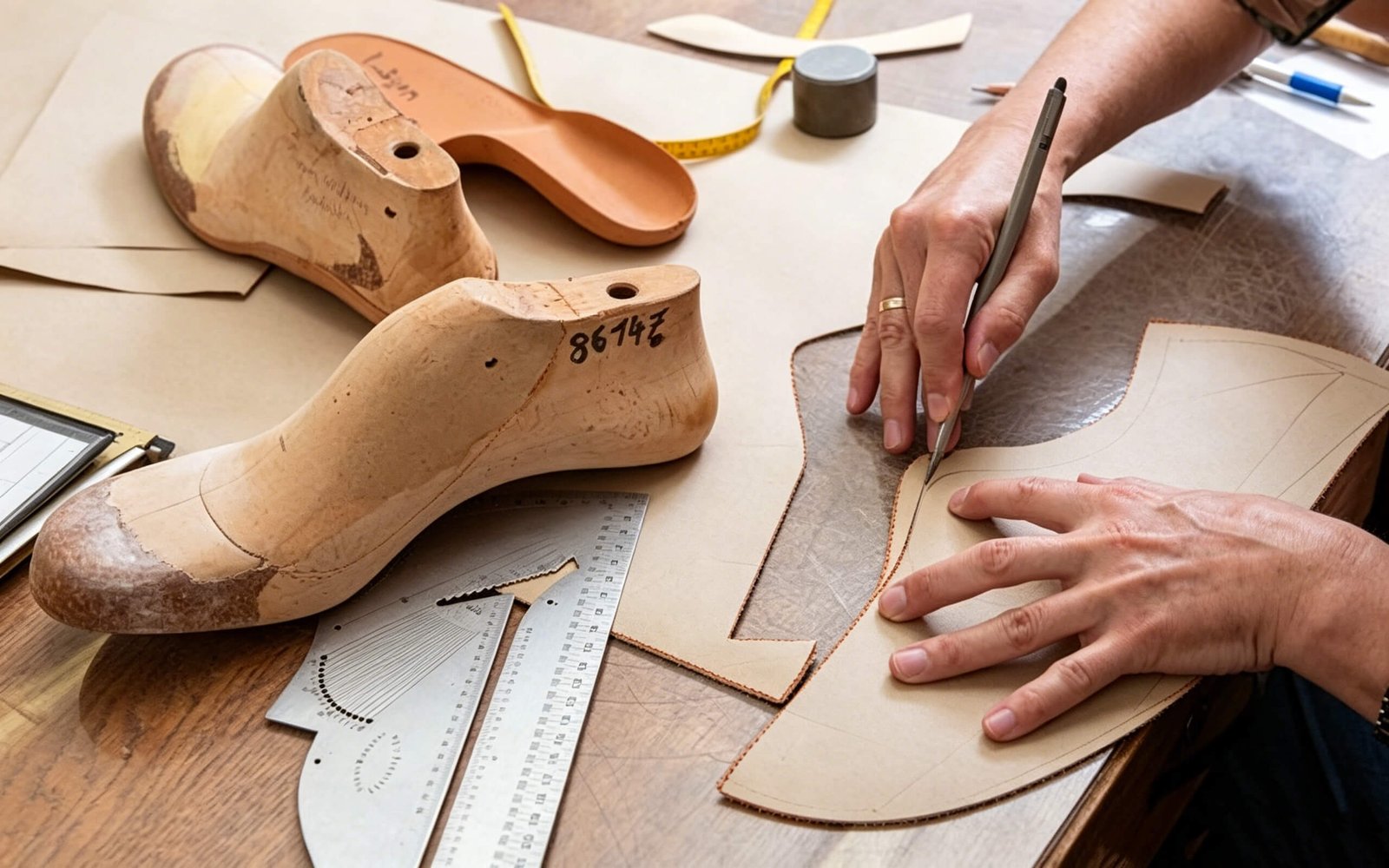
A competent supplier will always assist you in building brand exclusivity. Based on your brand concept, we finalise your brand visual identity with meticulous attention to details:
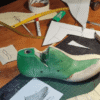
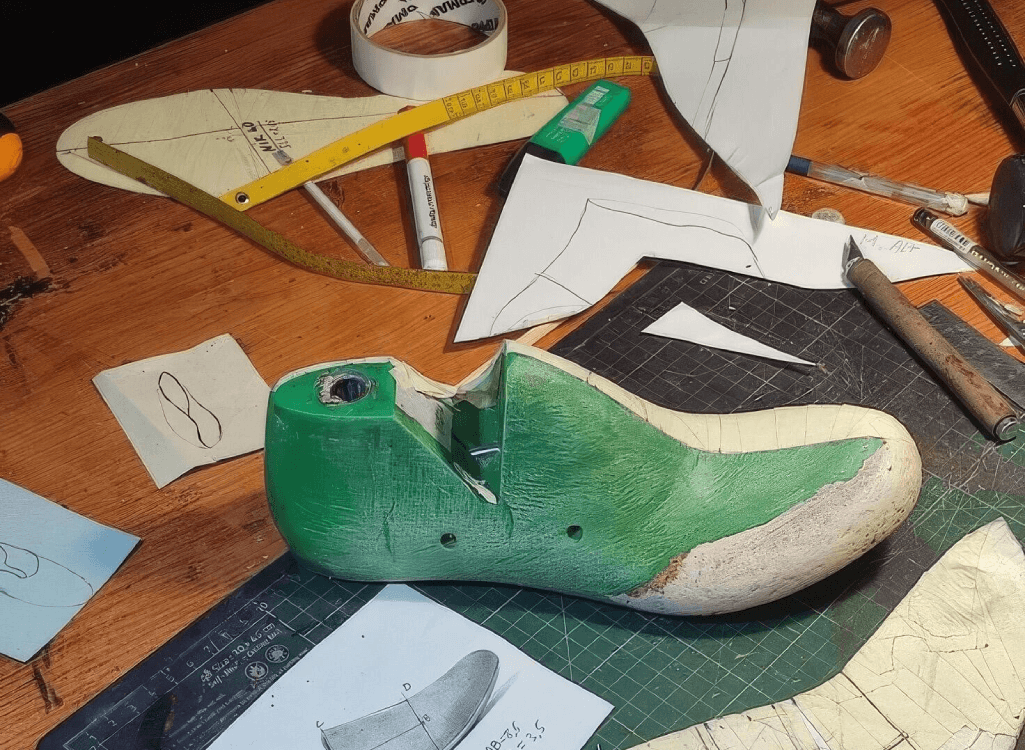
- Shoe last shape (flat, wide, narrow, medium or high instep)
- Full material matching from upper to outsole
- Stitching techniques (edge stitching, lockstitch, double stitching, etc.)
- Manufacturing processes (cement construction, injection moulding or vulcanisation)
We provide two tailored options for you:
- Ready-made upper and outsole moulds: fast development with a very low minimum order quantity (MOQ)
- Custom exclusive moulds designed to your artwork: higher upfront cost, yet delivering complete brand uniqueness
Step 4 – Customisation Selections
Standard customisation options commonly available:
- Shoe last design
- Custom outsole shape with exclusive patterns and material formulas (rubber, PU, TPU, TPR, TPE, PVC, etc.)
- Weight reduction and comfort optimisation
- Brand logo placement on multiple positions (vamp, tongue, heel, insole, hardware, outsole and more)
- Material colour matched to the Pantone colour catalogue
- Additional hardware accessories
Advanced full-scale customisation:
- Full collection design for both men’s and women’s lines
- Custom packaging box design
- Full size-range lasts covering small and large foot sizes without limitations
Step 5 – MOQ, Pricing & Lead Time
Typical order volume standards:
- Production using existing moulds: starting from 150 pairs per style (total for all sizes combined)
- Mass bulk production: minimum 500 pairs per order
Multiple factors affect the quotation price:
- Availability of existing moulds
- Grade of raw materials
- Complexity of production technology (cementing, injection moulding or vulcanisation)
- Total order quantity
Delivery lead time:
- Sample development: 3–7 working days
- Mass production: 15–45 working days
Therefore, request a detailed production schedule from your supplier prior to placing any formal order.
Step 6 – Testing & Quality Control
Every style undergoes rigorous testing during development, covering mainly the following items:
- Fit and comfort test (size accuracy, cushioning, arch support, walking comfort, etc.)
- Material performance test (abrasion resistance, flex resistance, waterproof performance)
- Structural durability test (adhesion strength between upper and outsole)
- Material eco-friendliness test (material composition, odour inspection, pH value testing)
Consistent quality across all orders relies entirely on timely inspection, which is generally divided into three key phases:
- Pre-production inspection
- In-process production inspection
- Final finished goods inspection
Step 7 – Packaging and Marketing Strategy
Once product development is complete, the presentation of footwear plays a crucial role in customers’ purchasing decisions:
- Custom branded shoe boxes
- Eco-friendly packaging options (foam inserts / cardboard inserts)
- Additional accessories included inside boxes
Effective marketing accelerates brand image building in your target market:
- Logo design
- Brand story & core concept
- Official website built on WordPress with SEO optimisation
- Social media operation (Facebook, Instagram, Pinterest and other platforms)
- Sales channels (Shopify, Ozon, Wildberries, official website, industry trade fairs)
You may choose your target customer group as follows:
- B2B wholesale: catering to wholesalers and distributors with bulk and repeat stable orders
- B2C end consumers: requires intensive brand promotion yet delivers higher profit margins
- Hybrid B2B + B2C model: ideal for diversified business expansion
Practical Advantages of Cooperating with an Experienced Strategic Footwear Partner
Selecting an experienced strategic supplier at the brand establishment stage guarantees a steady launch and greatly minimises business risks. Partnering with a seasoned supplier allows you to:
- Lower product development risks
- Shorten time-to-market cycle
- Enjoy flexible personalised customisation
- Access mature brand expansion solutions alongside consistent stable quality
Youtu provides full support including:
- Development of exclusive custom shoe last sets
- Upper and outsole design services
- Full OEM/ODM manufacturing
- Comprehensive quality control system
Launching a footwear brand is undoubtedly a sensible business decision. To build a long-lasting, influential brand, you must prioritise these key factors:
- Selection of a reliable manufacturing partner
- Clear, distinct market brand positioning
- High-quality products with unique design strengths
- Scalable and adaptable business models for sustainable growth
If you are ready to launch your own footwear brand, collaborating with a professional footwear supplier is the fastest way to kickstart your business.