


Suede, velour, and nubuck are three popular natural leather materials. They look similar and are often confused with one another, which creates difficulties for both buyers and manufacturers when making a choice. However, there are significant differences between them in terms of properties, production technology, and service life.
This article examines the key differences between these materials and provides recommendations for choosing among them. First, let us look at how to distinguish them.
Velour
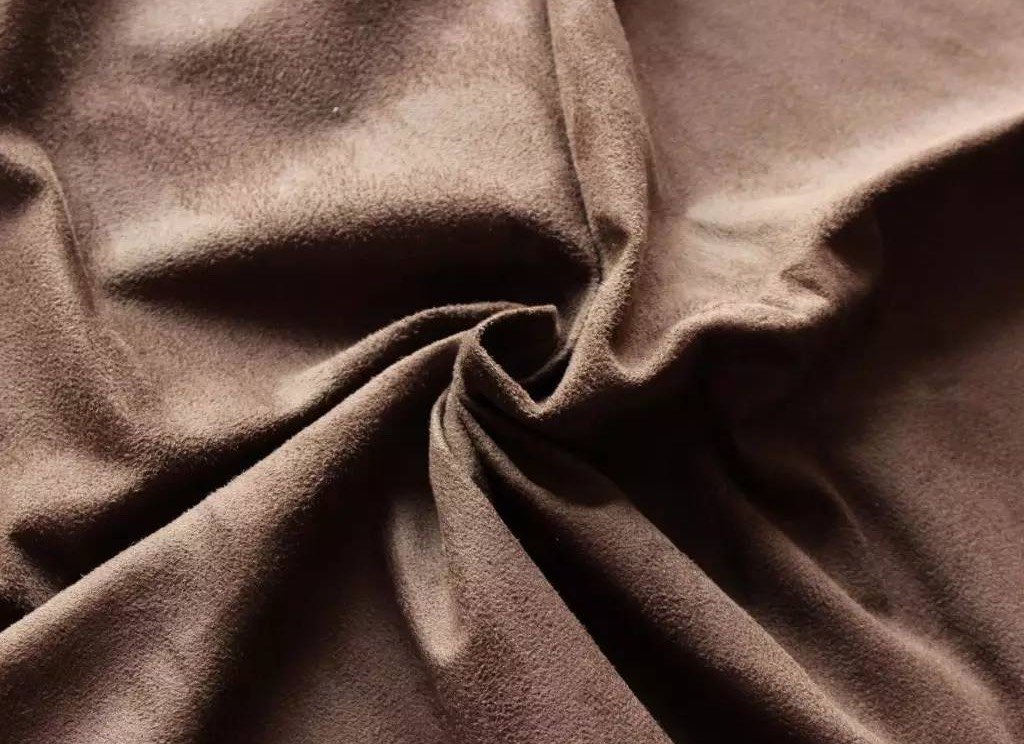
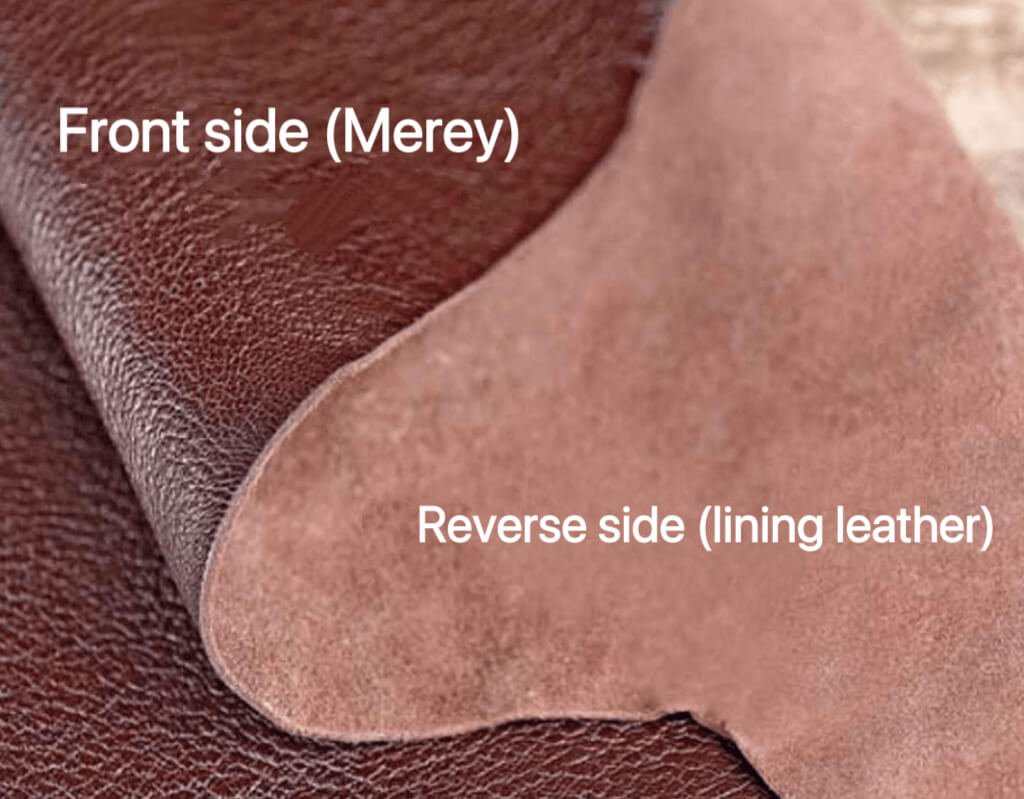
Velour is a less durable but more velvety napped material. It is most commonly made from the flesh side (corium side) of the second layer of leather (split leather) obtained from lamb, goat, pig, calf, or deer hides. Velour is typically produced using chrome tanning, which gives the material softness, elasticity, wear resistance, and flexibility. The leather then undergoes sanding, polishing, and brushing, resulting in its characteristic nap.
The fibers of velour have a naturally smooth structure, giving the material a soft, velvety texture and high flexibility. Its surface may be either relatively rough or porous. Due to its open structure, velour has low water resistance, allowing liquids to be easily absorbed into the material.
Suede
Suede is a durable but relatively looser material. It is made from the flesh side (corium side) of the first layer of high-quality leather, primarily sourced from the hides of smaller animals such as deer, elk, lamb, and goats. Suede is typically produced using oil tanning, which gives the material exceptional softness, elasticity, enhanced wear resistance, flexibility, heat resistance, and relatively better water resistance compared to velour. After tanning, the leather is sanded and brushed to create a uniform, fine nap on one or both sides.
Suede is characterized by a more delicate and uniform fiber structure, which gives it a soft, velvety texture and high flexibility. Compared with velour, its surface is generally finer and more even.
Nubuck
Nubuck is a durable and breathable material with a very short nap. It is made from the grain side (outer surface) of the first layer of leather, primarily from cattle hides (mainly cowhide, but also calf, goat, sheep, and deer hides). Nubuck is usually produced using chrome tanning, which provides softness, elasticity, enhanced strength, wear resistance, flexibility, and heat resistance.
To achieve various decorative effects, nubuck may be dyed or embossed. It is characterized by a fine, uniform nap and is known for its sensitivity to dirt and stains. Compared with velour and suede, nubuck offers better water resistance, which can be further improved through oil treatment (oiled nubuck).
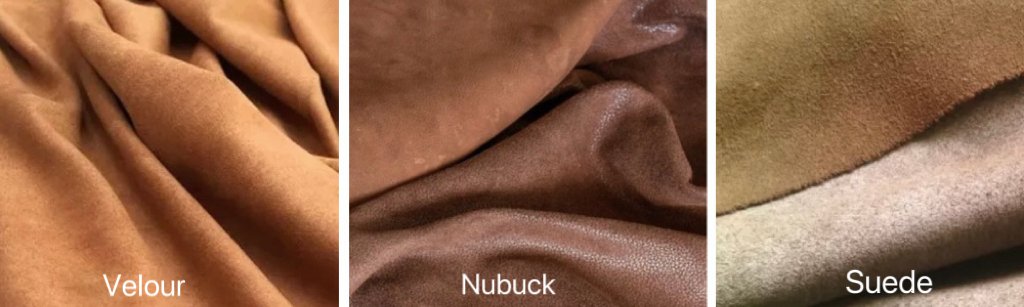
Key Differences Between Nubuck, Suede, and Velour
Material | Raw Material | Leather Layer | Tanning Method |
|---|---|---|---|
| Nubuck | Cattle hide (also goat, sheep, and deer) | Grain side of the layer | Chrome tanning |
| Suede | Deer hide (also lamb and goat) | Flesh side of the first layer | Oil tanning |
| Velour | Goat and lamb hide (also pig, calf, and deer) | Flesh side of the second layer (split leather) | Chrome tanning |
Which One Should We Choose?
When it comes to footwear manufacturing, the choice among these materials depends on many factors, including durability, tactile feel, selling season, production budget, and more.
Thanks to its properties, nubuck is ideal for elegant footwear such as Oxfords, Derbies, loafers, boots, and ankle boots. It combines excellent durability with comfort when properly and regularly maintained, making it a great choice for frequent everyday wear as well as formal occasions during non-rainy seasons. It should be noted that nubuck is a premium material and is relatively expensive.
Although suede is inferior to nubuck in several aspects, it remains an excellent option for refined footwear. Suede boots, heeled styles, and sneakers offer comfort and an attractive appearance at a moderate price point. In addition, suede products are warm and practical, making them well suited for everyday urban wear.
Compared with nubuck and suede, velour is a more affordable material and is often chosen for footwear intended for occasional use or special occasions. Nevertheless, it retains an attractive appearance and a soft, velvety texture.
All three materials are elegant natural leathers that undergo different processing methods. Despite their visual similarity—which can sometimes cause confusion—this can also be considered an advantage for consumers seeking this sophisticated aesthetic within their target price range.